*A negotiable documentary service fee up to $200.00 may be added
*All new bus prices are listed after OEM rebates
*Rebate only applicable in the United States
Local Market Information
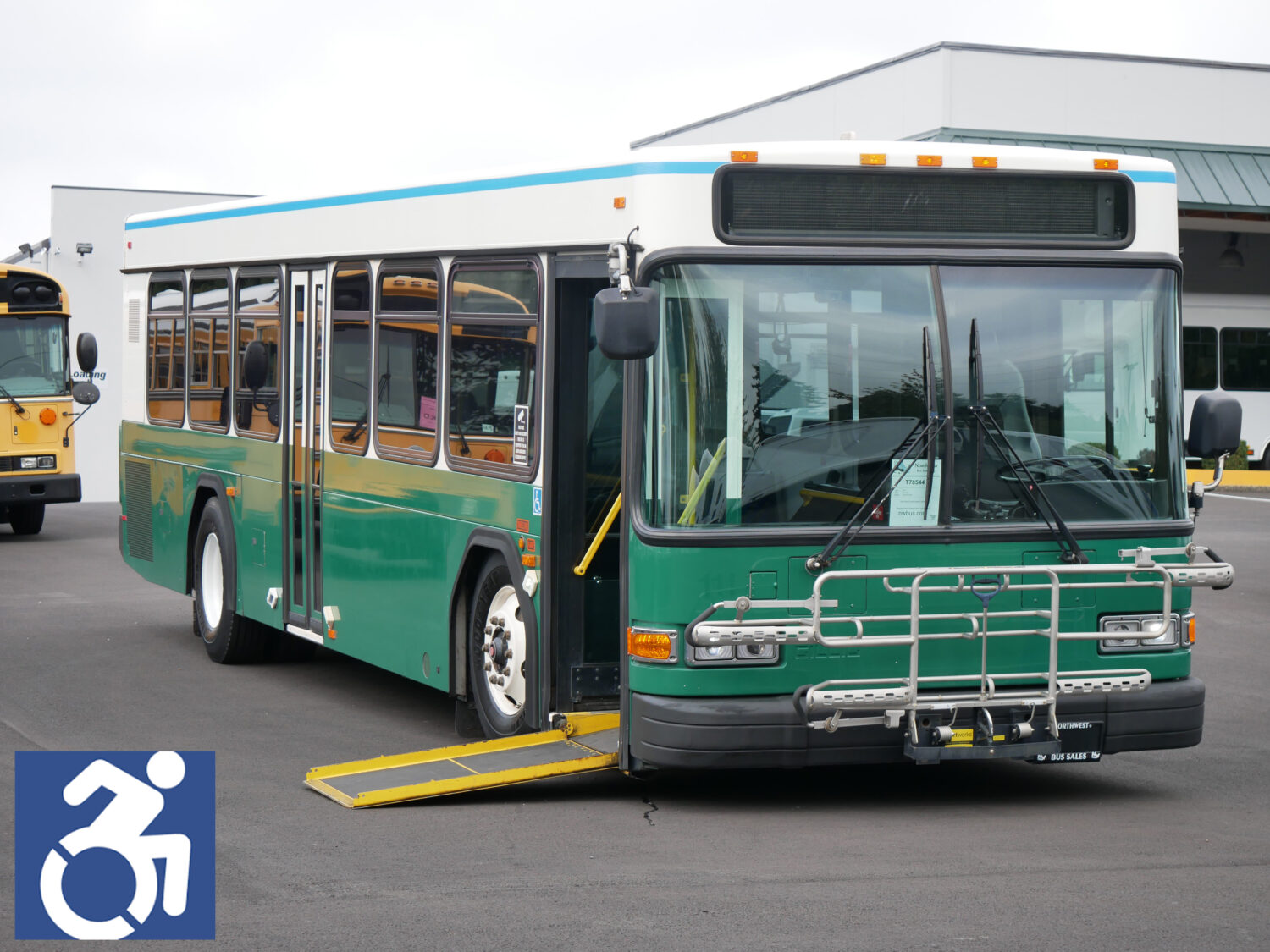
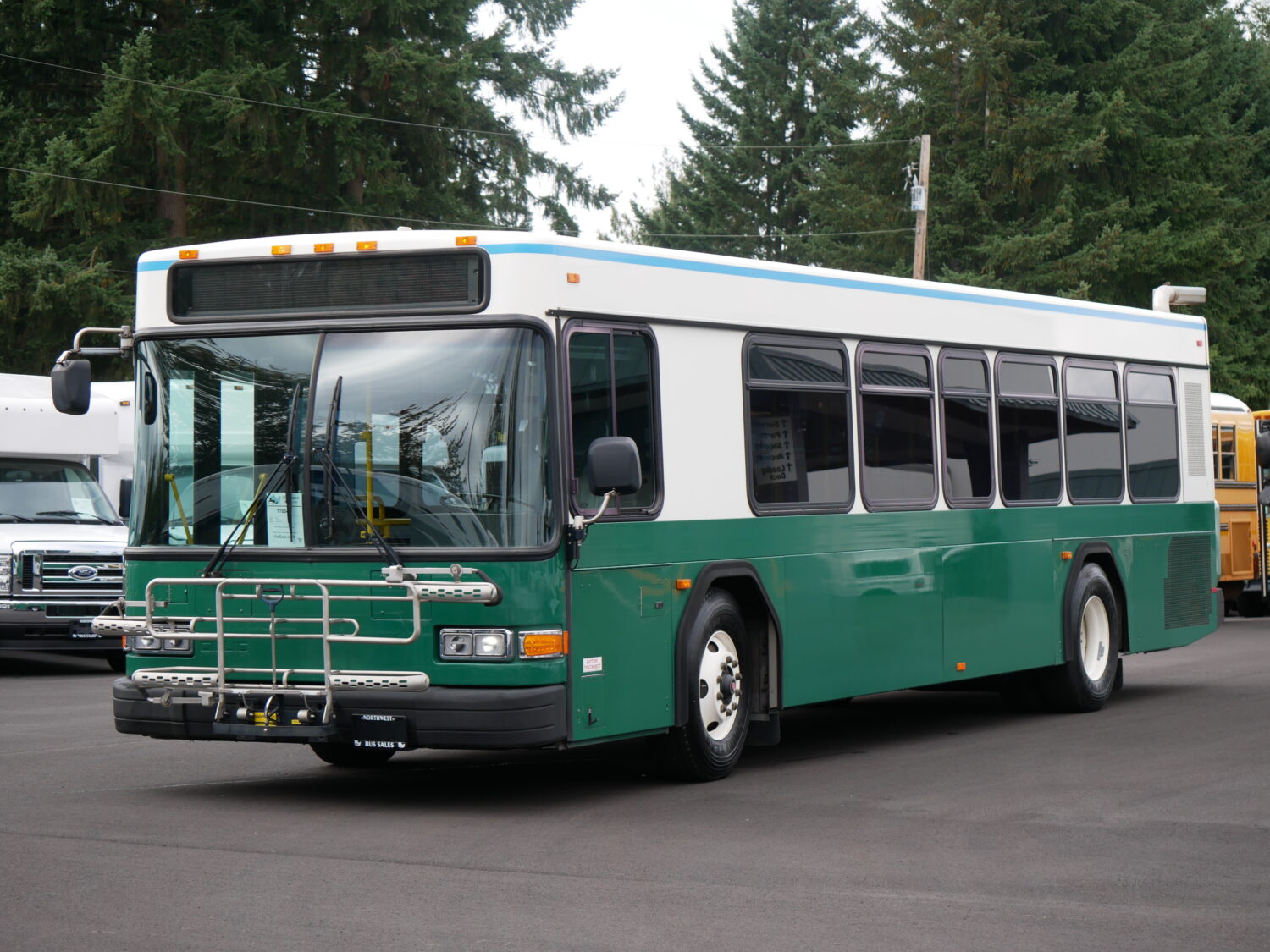
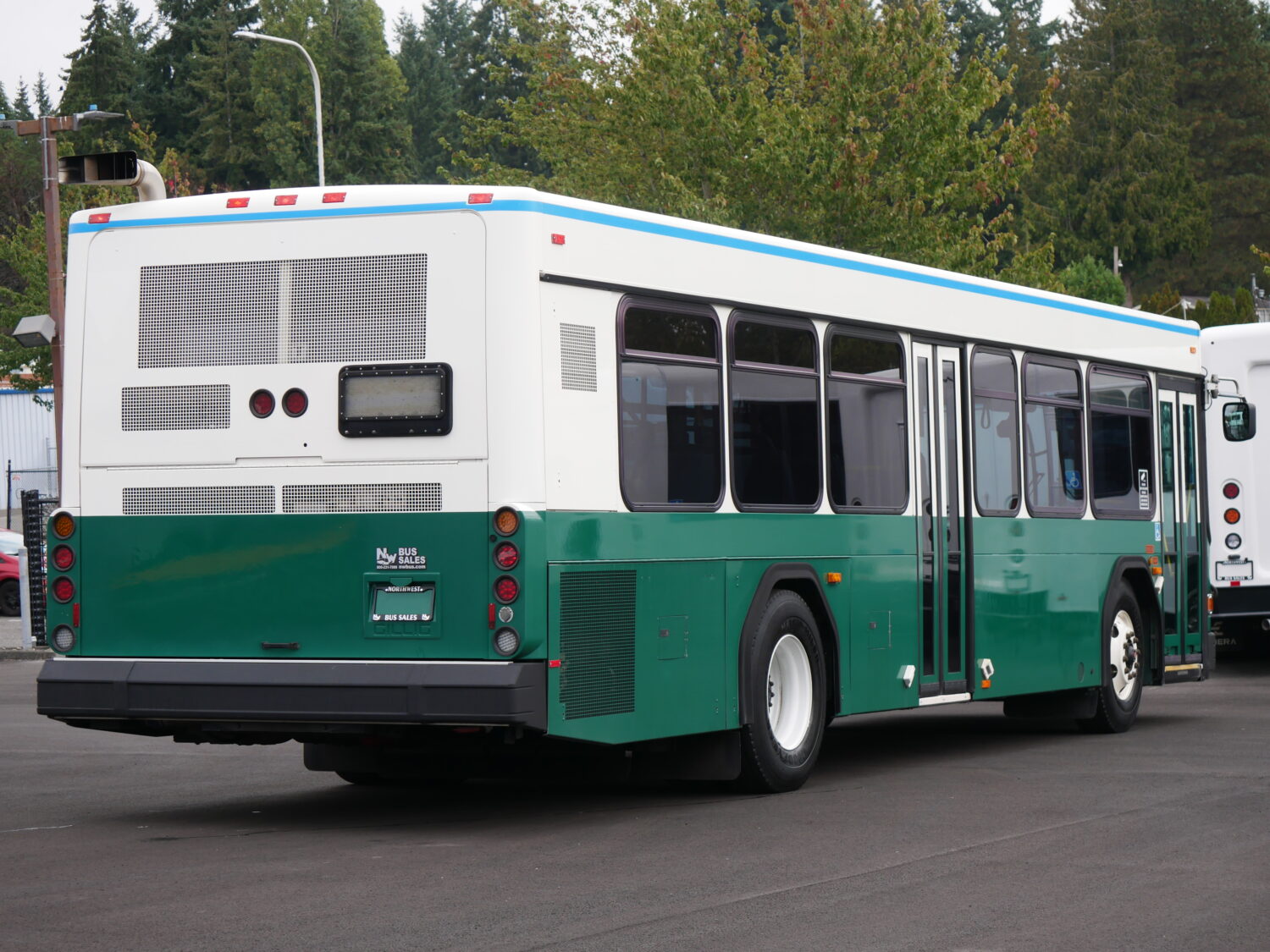
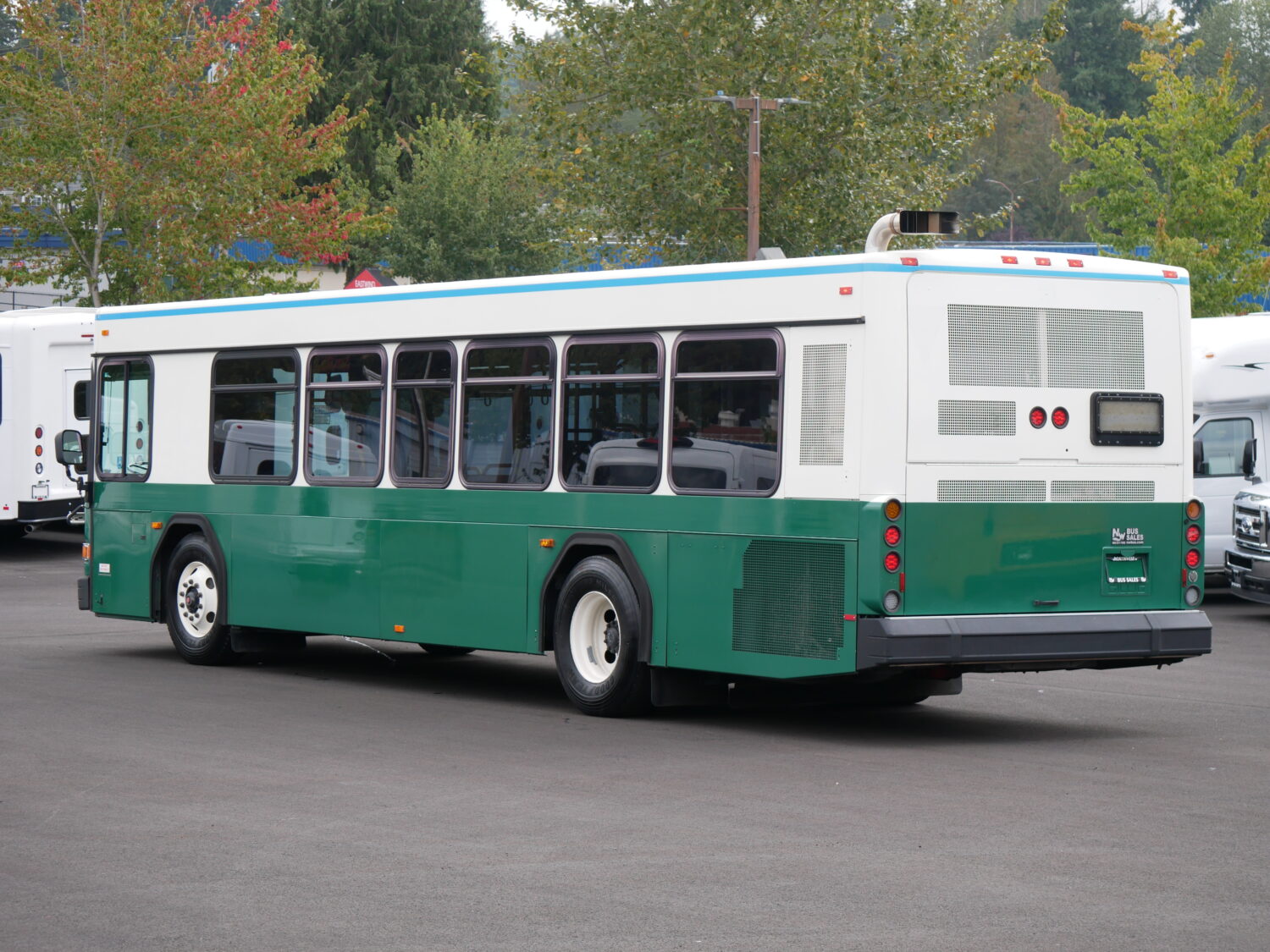
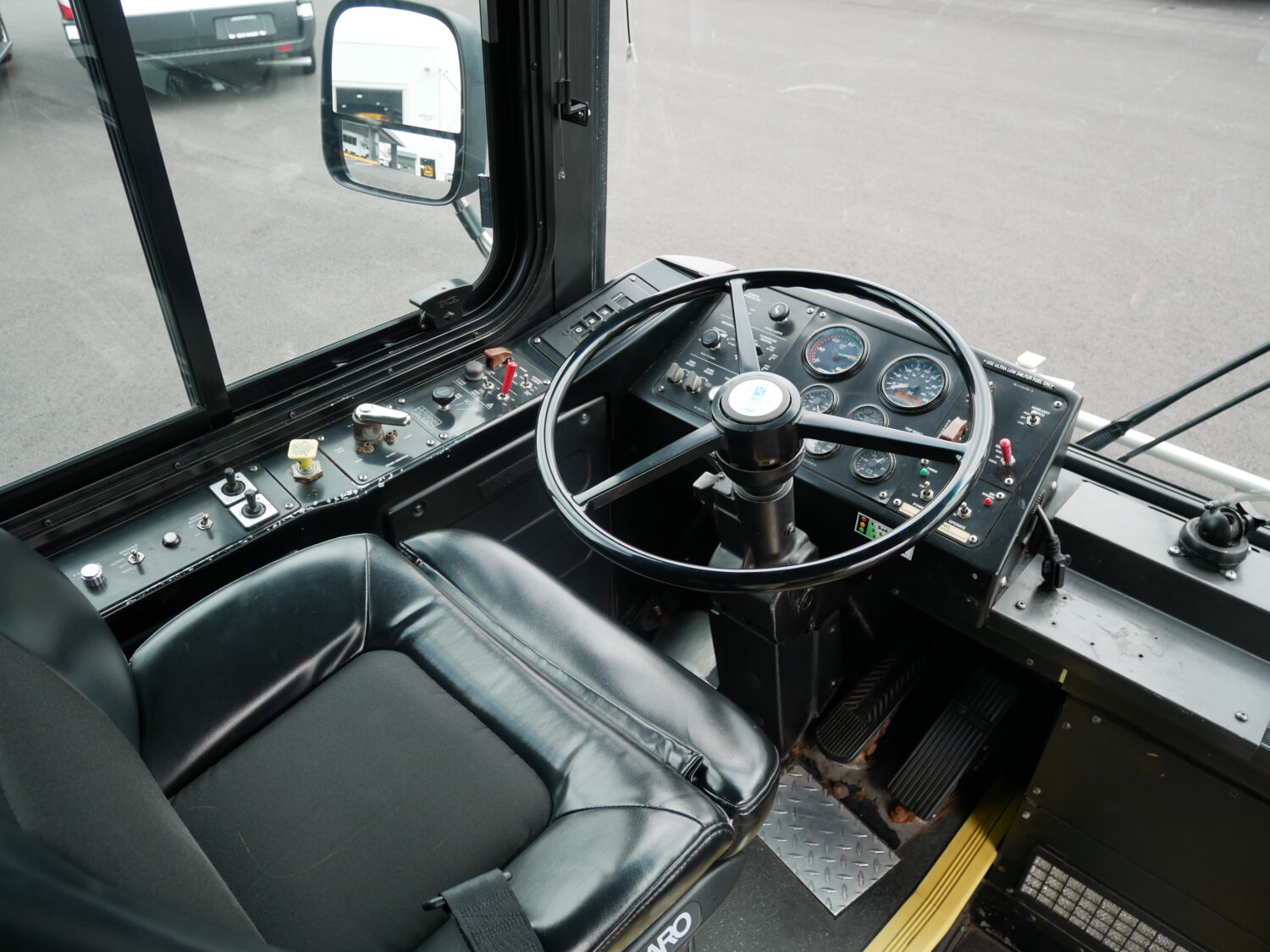
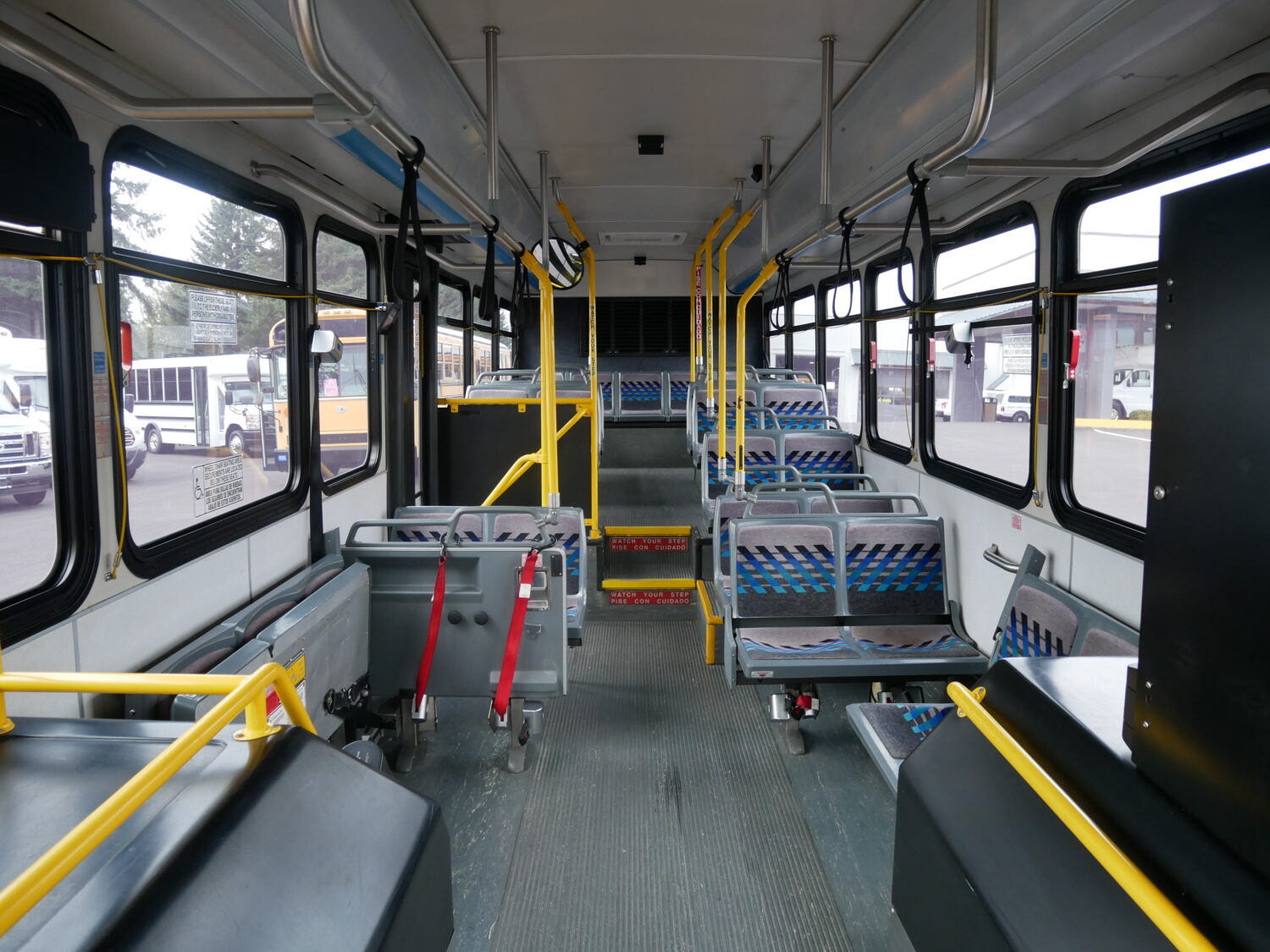
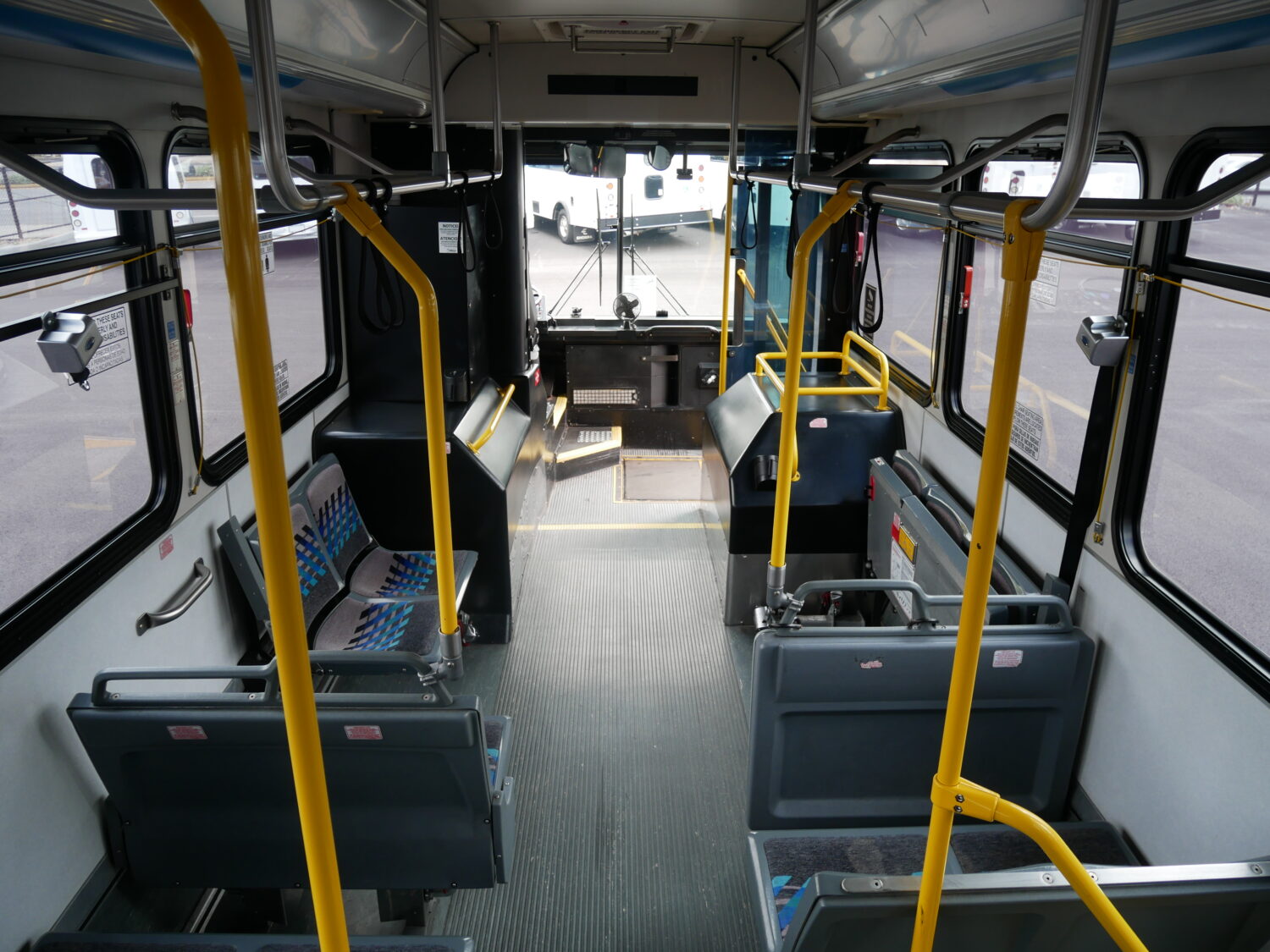
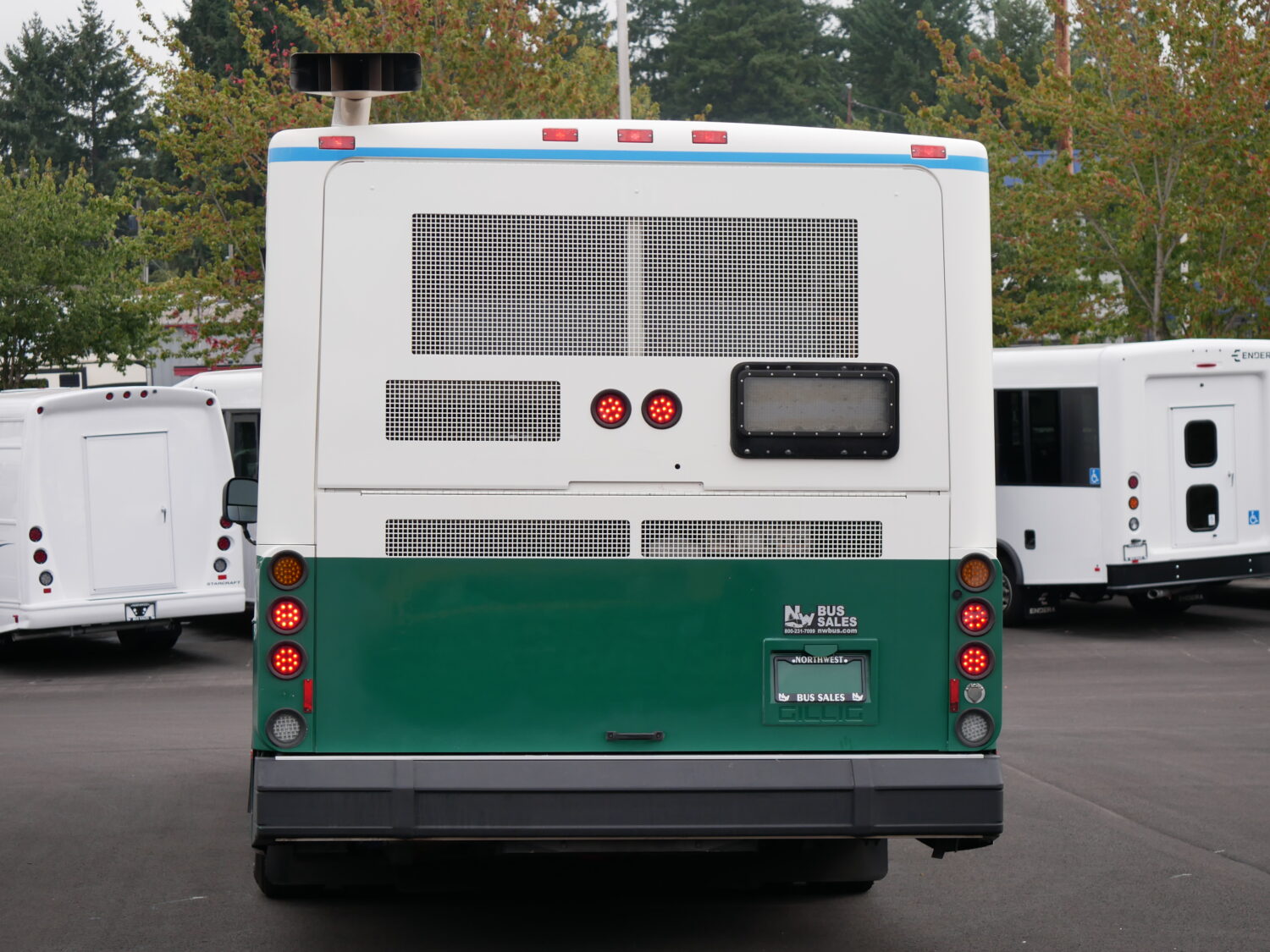
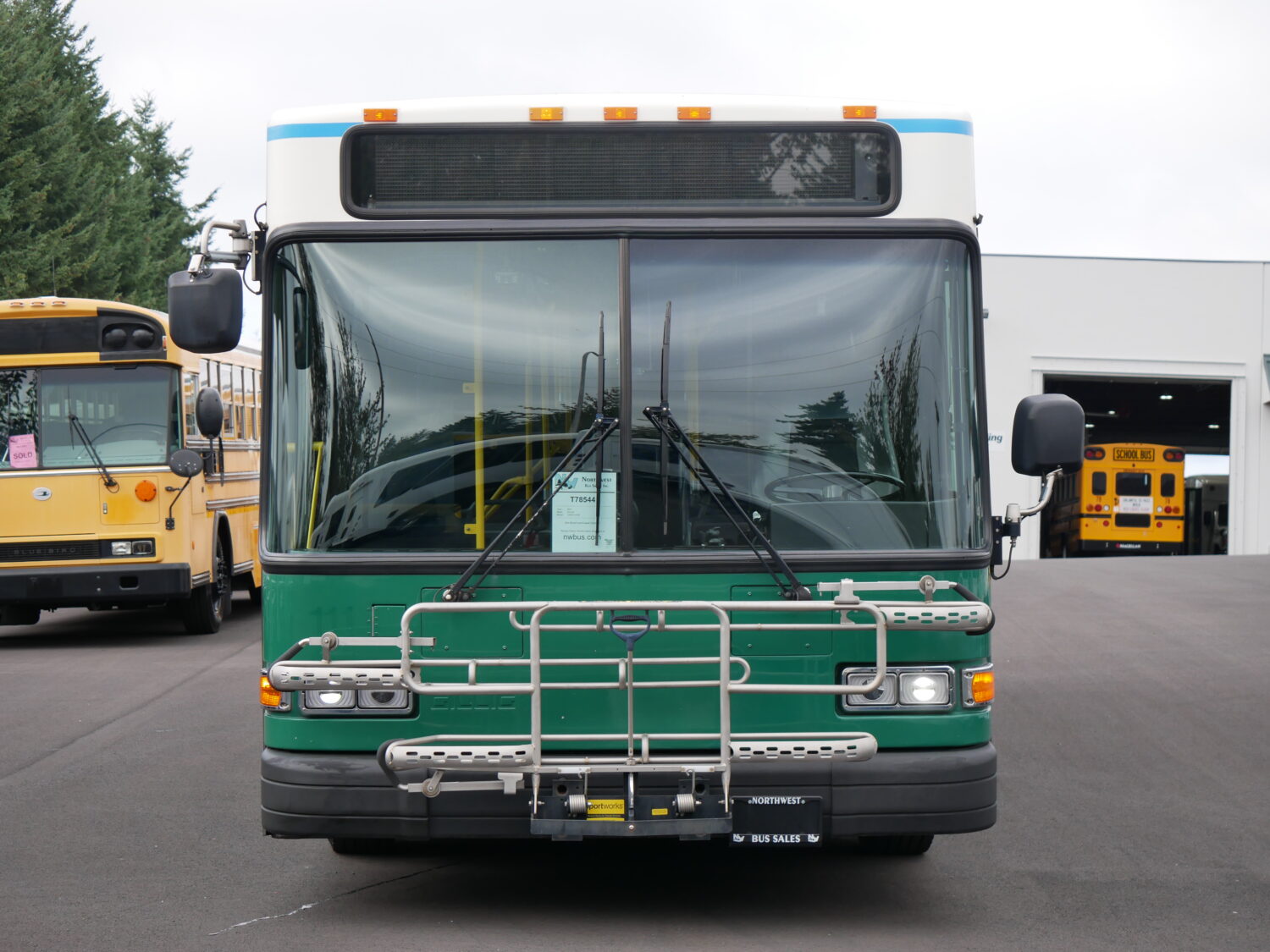
The recent delivery of a 2011 Gillig Low Floor 32 Passenger ADA Transit Bus - T78544 to Philadelphia, Pennsylvania highlights the city’s ongoing investment in accessible fleet vehicles. With its route now passing the bustling University City district near Drexel and UPenn, this bus is tailored for Philly’s diverse transit needs—especially given the heavy foot traffic and tight corners along Walnut and Chestnut Streets.
Philadelphia’s transportation landscape is defined by high population density—over 11,500 people per square mile—and a steady influx of residents drawn by major employers like Jefferson Health and Comcast. Seasonal spikes in demand occur during college move-in weekends and large events on the Benjamin Franklin Parkway. Economic shifts, such as green infrastructure grants, have also increased interest in Low Floor 32 Passenger ADA Transit Bus - T78544 buses for sale Philadelphia, as institutions seek flexible, accessible fleet options.
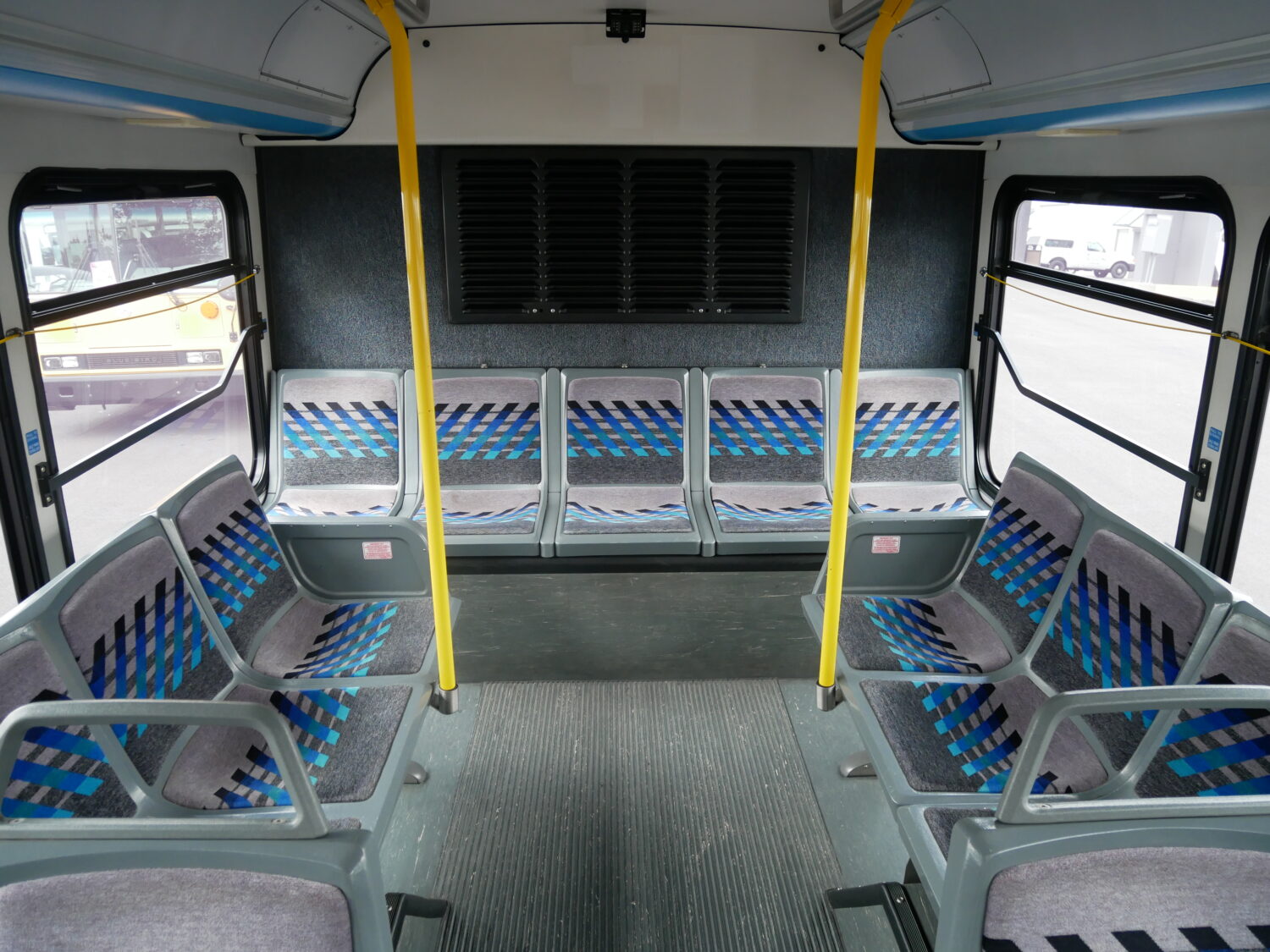
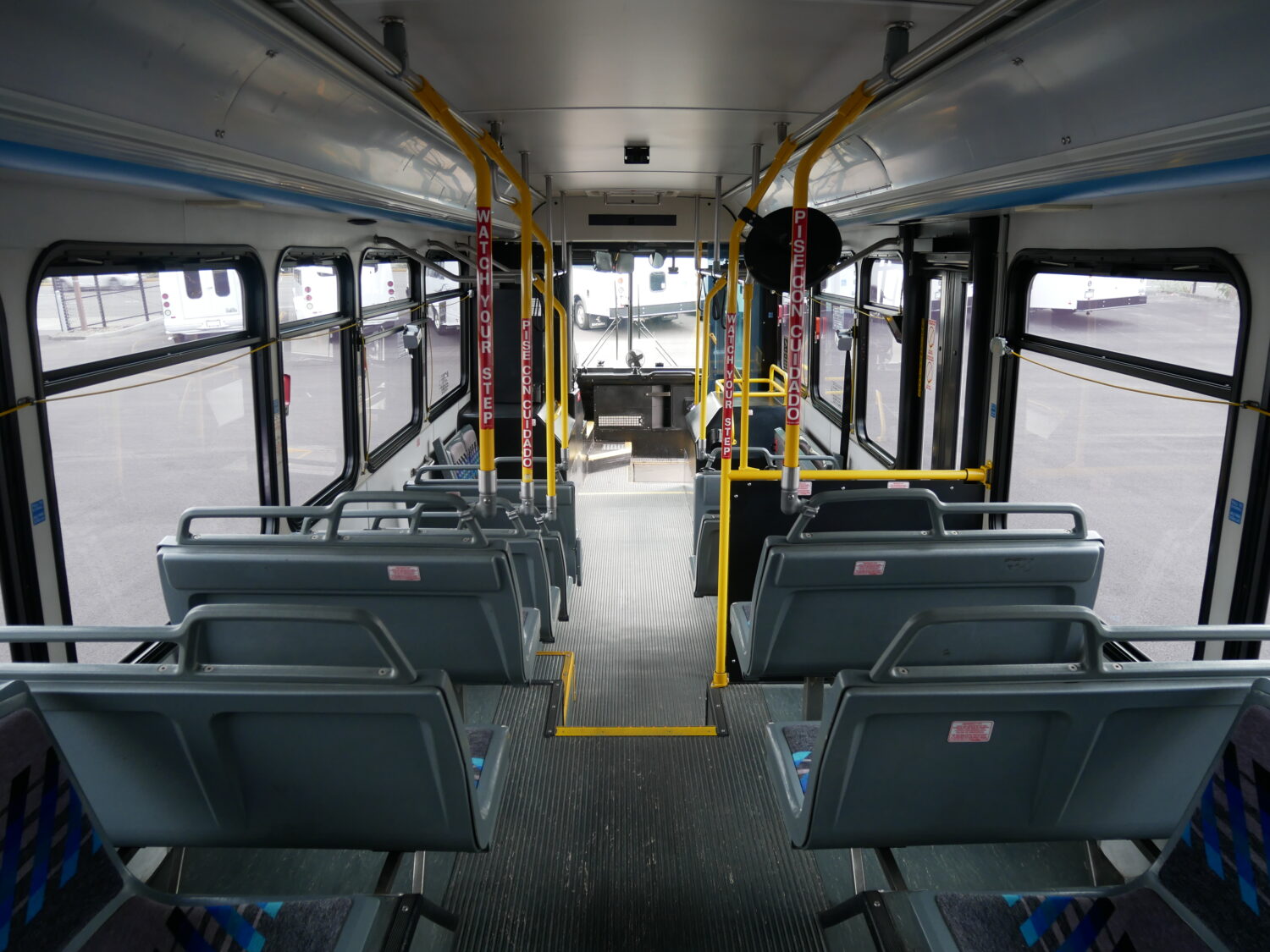
Designed with a low-floor entry for wheelchair accessibility, this Gillig bus fits right into SEPTA's public transit system and private shuttle fleets serving Center City to Fishtown. Its 32 passenger capacity is ideal for high-frequency urban routes—think South Philly commuters or groups traveling from Old City to sports complexes off I-95. Local operators can easily maneuver these buses through neighborhoods with narrow roads like Queen Village or over the hilly terrain found just west in Manayunk.
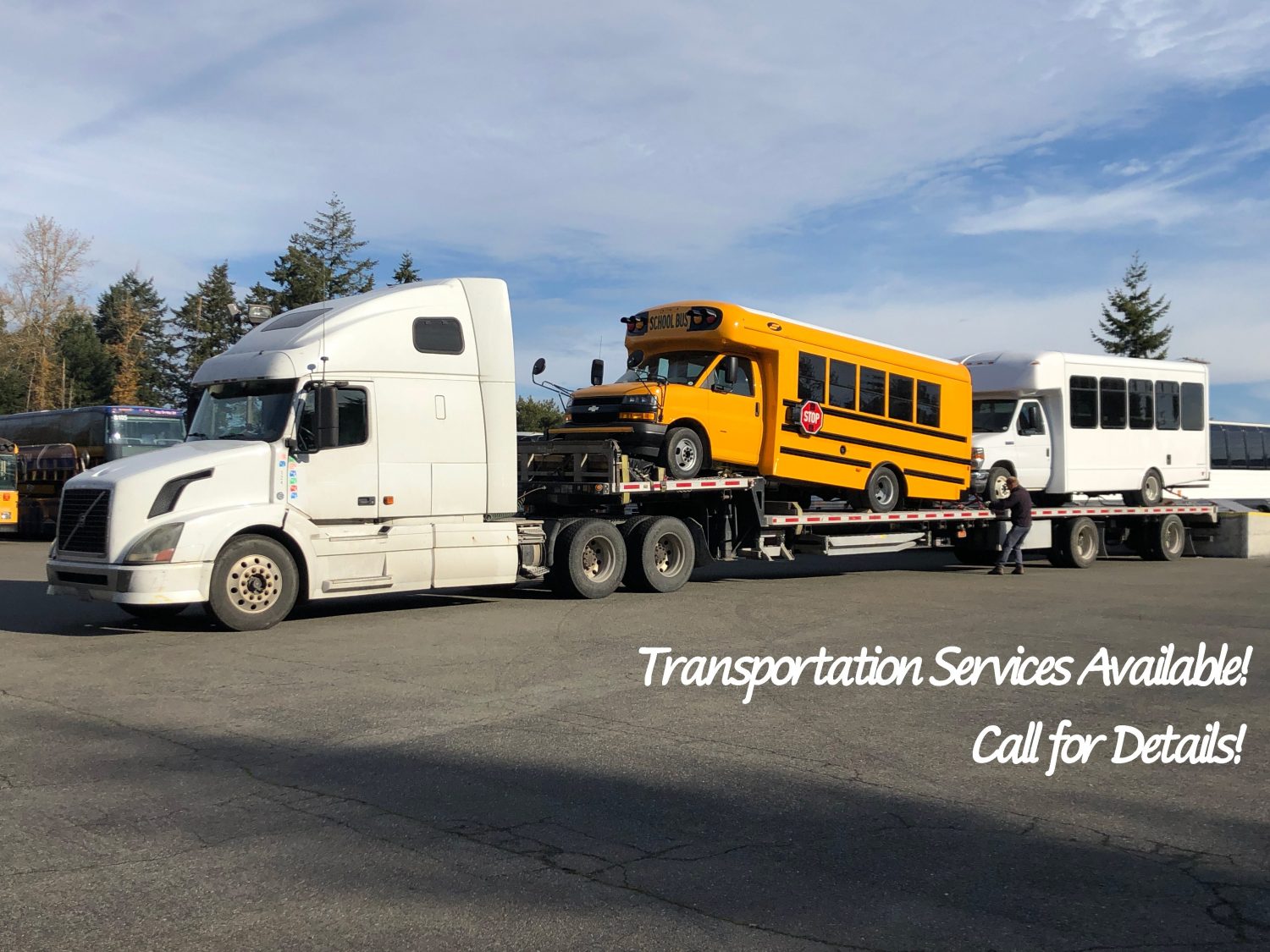
Our service reach extends well beyond Philadelphia proper, routinely managing deliveries to nearby towns like Upper Darby and Cherry Hill. With logistics hubs close to I-76 and efficient access north along Route 611 toward Willow Grove, customers benefit from fast regional support. As Philly continues expanding its sustainable transportation solutions—even maintaining one of America’s oldest subway systems since 1907—we’ll keep supporting commercial vehicles Pennsylvania communities rely on for daily connectivity.

 Print This Listing