
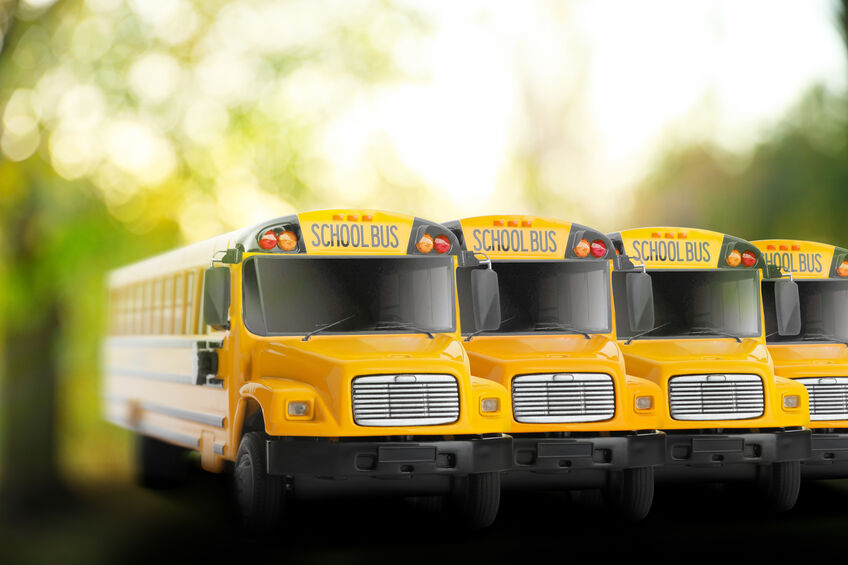
 When most people think of school buses, they picture the classic yellow bus rolling through neighborhoods each morning. What many do not realize is that there are actually four main types of school buses, each designed for different routes, passenger counts, and transportation needs. Understanding the differences can help school districts, organizations, and buyers choose the right vehicle for their fleet.
In North America, school buses are typically classified as Type A, B, C, and D, each offering its own advantages based on size and design.
Type A School Buses
Type A buses are the smallest of the four main types. They are built on a cutaway van chassis and are often referred to as minibuses. These buses typically carry fewer passengers and are ideal for shorter routes or specialized transportation needs.
Because of their compact size, Type A buses are commonly used for:
- Smaller school districts
- Special education transportation
- Programs with lower passenger counts
They are easier to maneuver and can be a practical choice for routes where a full-size bus is not necessary.
Type B School Buses
Type B buses fall between Type A and Type C in size, though they are less common on the road today. These buses are built on a front-section chassis, with the engine located partially under or behind the windshield.
They are typically used in situations where:
- A slightly larger capacity than Type A is needed
- Routes require a balance between size and maneuverability
While not as widely used as other types, Type B buses can still be a useful option for certain districts.
Type C School Buses
Type C buses are what most people picture when they think of a traditional school bus. These conventional style buses have the engine in front of the driver and the familiar long hood design.
They are the most common type of school bus and are widely used because they:
- Offer a strong balance of size and efficiency
- Typically carry 50 to 70 passengers
- Work well for standard daily routes
For many school districts, Type C buses are the go-to choice due to their versatility and reliability.
Type D School Buses
Type D buses are the largest and most advanced of the four types. These buses have a flat front design, similar to a transit bus, and can have engines located in the front or rear.
They are designed to:
- Carry the highest number of passengers
- Maximize interior space and visibility
- Support high volume routes
Type D buses are often used in larger districts or areas where transporting more students in fewer trips is a priority.
Choosing the Right School Bus for Your Needs
Each type of school bus serves a different purpose, and the right choice depends on your passenger volume, route conditions, and operational needs. Smaller buses offer flexibility and ease of use, while larger buses provide capacity and efficiency for busy routes.
If you are looking to add or upgrade school buses, having the right type in your fleet makes all the difference. At Northwest Bus Sales, we offer a wide selection of new and used school buses, from compact Type A models to full-size Type D buses. Browse our online inventory and find the right bus to meet your transportation needs.
