
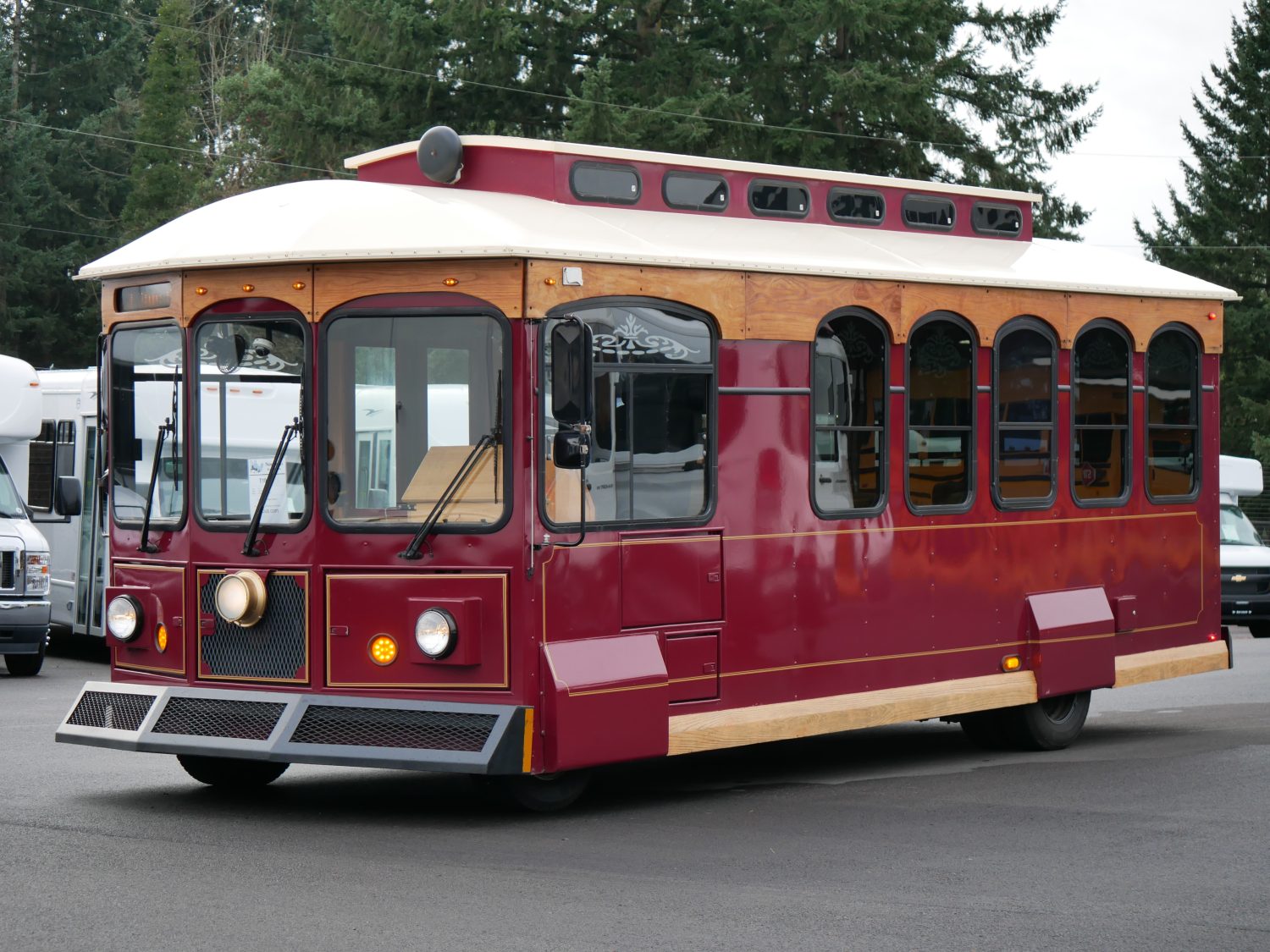
 Transit and trolley buses are major investments, and getting the most value out of them means keeping them on the road for as long as possible. With proper care, planning, and attention to daily operations, these vehicles can serve passengers reliably for many years. Whether your buses are used for public transit, tourism, or community transportation, extending their lifespan helps control costs and maintain consistent service.
Here are some practical ways to help your transit or trolley buses last longer.
Stay Ahead of Routine Maintenance
Regular maintenance is the foundation of vehicle longevity. Small issues can turn into costly repairs if ignored. Following a consistent maintenance schedule helps catch problems early and keeps buses running efficiently. This includes oil changes, brake inspections, fluid checks, and tire maintenance. Keeping detailed service records also helps track wear patterns and plan future maintenance before problems arise.
Address Wear and Tear Promptly
Transit and trolley buses experience daily wear from frequent stops, passenger traffic, and varying road conditions. Interior components such as flooring, seating, and handrails should be inspected regularly and repaired as needed. Exterior damage, even if it seems minor, should be addressed quickly to prevent rust or structural issues. Taking care of minor repairs early helps preserve the vehicle’s overall condition.
Train Drivers on Proper Vehicle Care
How a bus is driven plays a big role in how long it lasts. Smooth acceleration, gradual braking, and careful turning reduce stress on the engine, transmission, and suspension. Drivers should also be trained to recognize warning signs, such as unusual noises or dashboard alerts, and report them right away. A well-trained driver team helps prevent unnecessary strain on buses and contributes to safer operations.
Protect the Engine and Drivetrain
The engine and drivetrain are the heart of any bus. Keeping them in good condition requires regular inspections and proper use. Avoiding excessive idling, monitoring engine temperature, and ensuring proper lubrication all help extend engine life. In colder climates, engine block heaters can reduce startup stress and improve performance during winter months.
Maintain Electrical and Safety Systems
Modern transit and trolley buses rely on electrical systems for lighting, accessibility features, and safety equipment. Regularly checking wiring, battery health, and electronic components helps prevent failures that can take a bus out of service. Safety systems such as brakes, lighting, and accessibility equipment should always be kept in top condition to protect both passengers and drivers.
Plan for Long-Term Fleet Care
Extending bus lifespan is not just about maintenance. It also involves planning. Rotating vehicles between routes, avoiding overuse of a single bus, and scheduling downtime for inspections all contribute to long term reliability. Budgeting for preventative maintenance and occasional upgrades helps ensure buses remain dependable year after year.
Invest in Quality from the Start
The condition of a bus at purchase has a big impact on how long it will last. Well-maintained, reliable vehicles give organizations a strong foundation for long-term use.
At Northwest Bus Sales, we offer a wide selection of new and used transit and trolley buses built to handle daily service demands. Our team can help you find dependable vehicles that fit your operational needs and long-term goals.
View our current inventory online and contact us at (800)231-7099 to invest in buses designed to serve your community for years to come.
