
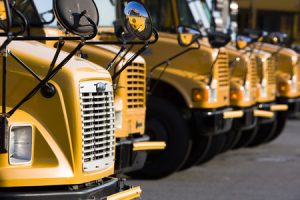
 School buses are built to handle years of daily transportation, carrying students to and from school, sporting events, field trips, and other activities. However, even the most dependable buses eventually reach a point when replacing them makes more sense than keeping them on the road.
For school districts, deciding when to retire a bus isn’t always as simple as checking its age or mileage. Maintenance costs, safety concerns, reliability, and transportation needs all play a role in determining when it’s time for an upgrade.
So, how do schools make that decision?
The Age and Mileage of the Bus
One of the first things school districts consider is how long a bus has been in service.
Many school districts develop replacement schedules based on a bus’s age and expected service life. While some plan to replace buses after approximately 10 to 15 years, actual timelines depend on state regulations, vehicle condition, maintenance costs, and available funding.
Mileage is another important factor. A bus that travels long distances every day may experience more wear than one used primarily for shorter routes.
Rather than relying on one specific number, transportation departments typically look at the vehicle’s overall condition and maintenance history when deciding whether it should remain in service.
Maintenance and Repair Costs
As school buses get older, they may require more frequent repairs and replacement parts.
While routine maintenance is a normal part of owning any commercial vehicle, repeated mechanical problems can become expensive and disrupt daily transportation schedules.
School districts often consider whether the money spent maintaining an aging bus would be better invested in a replacement.
Following a regular maintenance schedule can help extend a bus’s useful life, but there comes a point when continued repairs may no longer be the most practical option.
Safety Features and Updated Technology
Student safety is always a top priority when evaluating a school bus fleet.
According to the National Highway Traffic Safety Administration (NHTSA), school buses are among the safest vehicles on the road, thanks to their specialized construction and safety features designed to protect passengers.
Although older buses can remain safe when properly maintained and compliant with applicable regulations, newer models may offer updated technology and additional safety features.
Depending on the model, these improvements may include enhanced camera systems, electronic stability control, improved visibility features, and updated passenger safety equipment.
School districts may choose to retire older vehicles to take advantage of newer technology while maintaining a dependable transportation fleet.
Reliability and Transportation Needs
A school bus needs to do more than simply run. It needs to consistently get students where they need to go.
Frequent breakdowns, unexpected repairs, and recurring mechanical problems can interrupt routes and create scheduling challenges.
Districts may also replace buses as their transportation needs change. Growing student populations, different route requirements, and increased demand for wheelchair-accessible transportation can all influence fleet decisions.
To avoid replacing several aging buses at once, some school districts develop multi-year fleet replacement plans. This allows them to spread out purchasing costs, plan ahead for future transportation needs, and maintain a more dependable fleet.
Having a plan for replacing aging vehicles can make these transitions easier. Our previous article on how to build a bus replacement plan explains why planning ahead is important.
What Happens to Retired School Buses?
Just because a school district retires a bus doesn’t necessarily mean the vehicle has reached the end of its useful life.
Some retired school buses still have years of potential service remaining, depending on their mechanical condition, maintenance history, and intended use.
These vehicles can appeal to churches, community organizations, private transportation providers, and individuals interested in bus conversions.
Buying a used school bus can also be a budget-friendly alternative to purchasing a new vehicle. However, buyers should always review maintenance records, inspect the vehicle carefully, and confirm that it meets the legal requirements for its intended use.
Our used bus buying checklist covers several important things to consider before making a purchase.
Finding the Right School Bus for Your Needs
Retiring a school bus is an important decision that involves balancing safety, reliability, maintenance expenses, and long-term transportation needs. While some buses are ready to be replaced, others may still have plenty of value for different types of transportation.
Whether your school district is planning a fleet upgrade or your organization is looking for an affordable transportation option, Northwest Bus Sales can help. We offer a wide selection of new and used school buses in different sizes and configurations to accommodate a variety of needs. Browse our inventory online or contact our team at 800-231-7099 to learn more about our available buses.
