
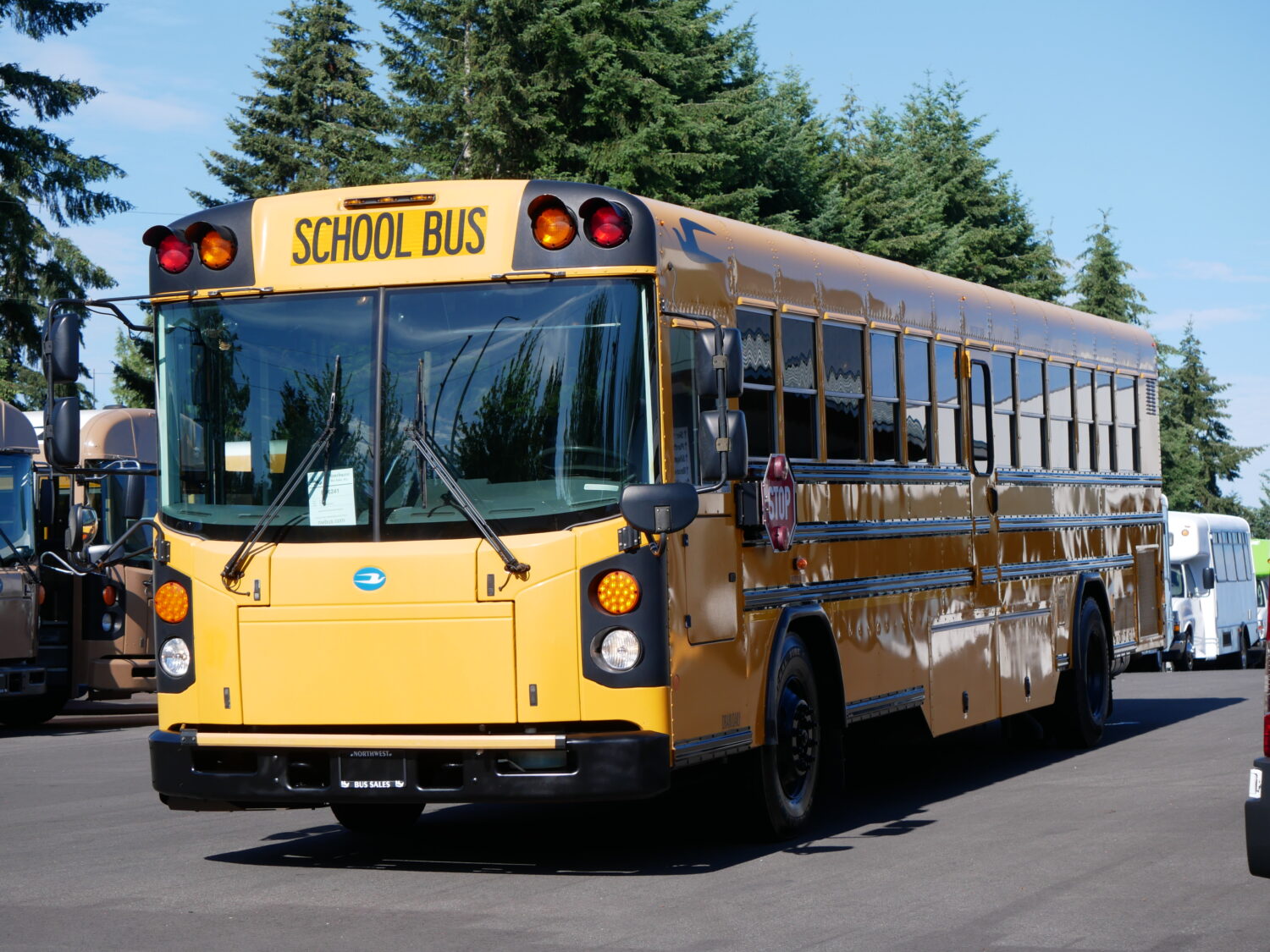
 For school districts, reliable transportation is essential. When a school bus is unexpectedly out of service, it can disrupt routes, delay student pickups, and create unnecessary stress for transportation departments. While some repairs are unavoidable, many causes of downtime can be minimized with the right planning and maintenance strategies.
Here are several ways school districts can keep their buses on the road and reduce transportation downtime throughout the school year.
Stay Consistent with Preventative Maintenance
One of the most effective ways to reduce downtime is to follow a regular preventive maintenance schedule. Routine inspections help identify small issues before they turn into major repairs that take buses out of service.
Maintenance should include checking brakes, tires, fluids, batteries, belts, lights, and other essential components. Keeping up with manufacturer-recommended service intervals also helps extend each vehicle’s life and improve reliability.
Address Small Problems Early
It can be tempting to postpone minor repairs when buses are still running, but waiting often leads to bigger, more expensive problems. A small fluid leak, unusual vibration, or warning light may seem minor today, but it could result in significant downtime if ignored.
Encouraging drivers to report problems as soon as they notice them allows maintenance teams to resolve issues before they become serious.
Keep Detailed Maintenance Records
Accurate service records provide valuable insight into the health of every bus in your fleet. Tracking repairs, inspections, and recurring issues helps transportation managers identify patterns and determine when a vehicle may be nearing the end of its useful life.
Well-organized records also make it easier to schedule preventative maintenance without disrupting daily routes.
Maintain a Reliable Backup Plan
Even with excellent maintenance, unexpected breakdowns can happen. Having one or more backup buses available allows districts to continue operating without major service interruptions while repairs are completed.
Planning ahead for substitute vehicles helps reduce delays for students and provides flexibility when buses need scheduled maintenance.
Evaluate Aging Vehicles
Older buses often require more frequent repairs and spend more time in the shop. If maintenance costs continue to rise or breakdowns become more common, replacing aging vehicles may be the more cost-effective solution.
Regularly evaluating fleet performance helps school districts determine when investing in newer buses can improve reliability and reduce long-term operating costs.
Invest in Long-Term Fleet Reliability
Reducing transportation downtime is about more than responding to repairs. It requires proactive planning, regular maintenance, and dependable vehicles capable of meeting the demands of daily student transportation. A reliable fleet helps improve route consistency, supports driver confidence, and gives parents peace of mind knowing students will arrive safely and on time.
Keeping students on schedule starts with dependable transportation. If your district is planning to replace aging buses or expand its fleet, Northwest Bus Sales is here to help. Our experienced team can help you find reliable school buses that fit your routes, passenger needs, and budget. Browse our inventory online and let us help you keep your fleet running strong.