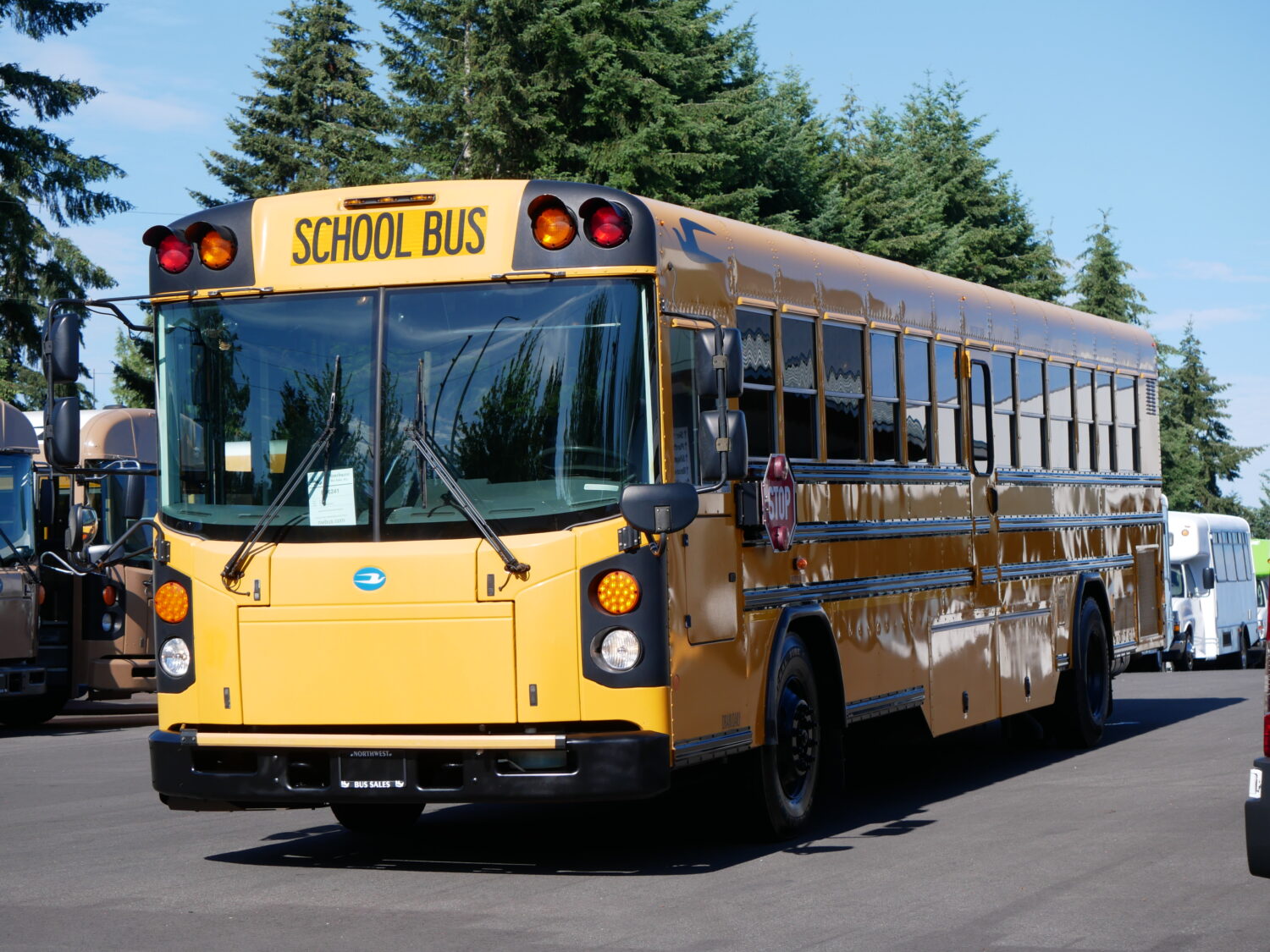
For school districts, reliable transportation is essential. When a school bus is unexpectedly out of service, it can disrupt routes, delay student pickups, and create unnecessary stress for transportation departments. While some repairs are unavoidable, many causes of downtime can be minimized with the right planning and maintenance strategies. Here are several ways school districts can keep their buses on the road and reduce transportation downtime throughout the school year. Stay Consistent with Preventative Maintenance One of the most effective ways to reduce downtime is to follow a regular preventive maintenance schedule. Routine inspections help identify small issues before they… Read more »
When most people think of school buses, they picture the classic yellow bus rolling through neighborhoods each morning. What many do not realize is that there are actually four main types of school buses, each designed for different routes, passenger counts, and transportation needs. Understanding the differences can help school districts, organizations, and buyers choose the right vehicle for their fleet. In North America, school buses are typically classified as Type A, B, C, and D, each offering its own advantages based on size and design. Type A School Buses Type A buses are the smallest of the four main… Read more »
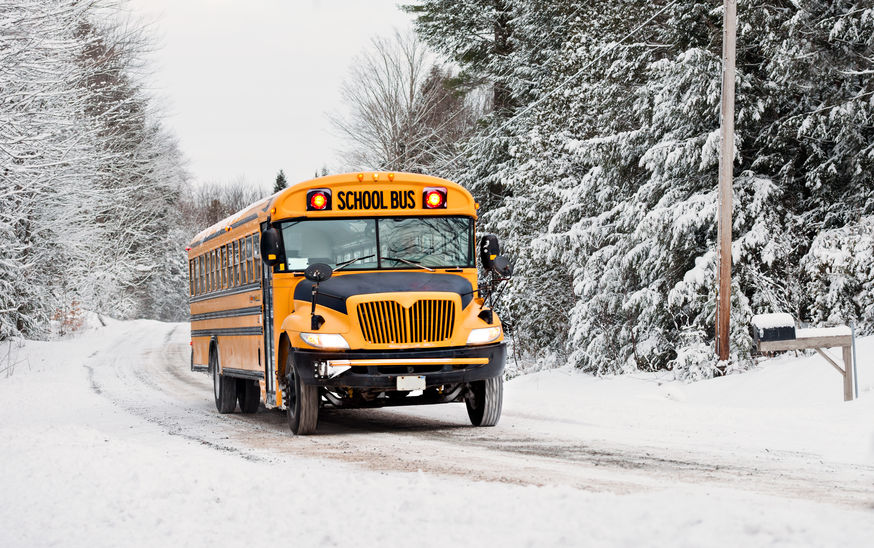
Winter weather can create serious challenges for school transportation. Snowy roads, icy conditions, freezing temperatures, and dark mornings all increase the risks for students and drivers. That is why school buses need the right safety features to handle winter conditions with confidence. A well-equipped bus keeps routes running smoothly and helps ensure that students arrive at school safely, even on the toughest weather days. Here are some essential winter safety features every school bus should have before temperatures drop. Reliable Heating and Strong Defrosting Systems A dependable heating system is a must for student comfort, but an effective defroster is… Read more »