
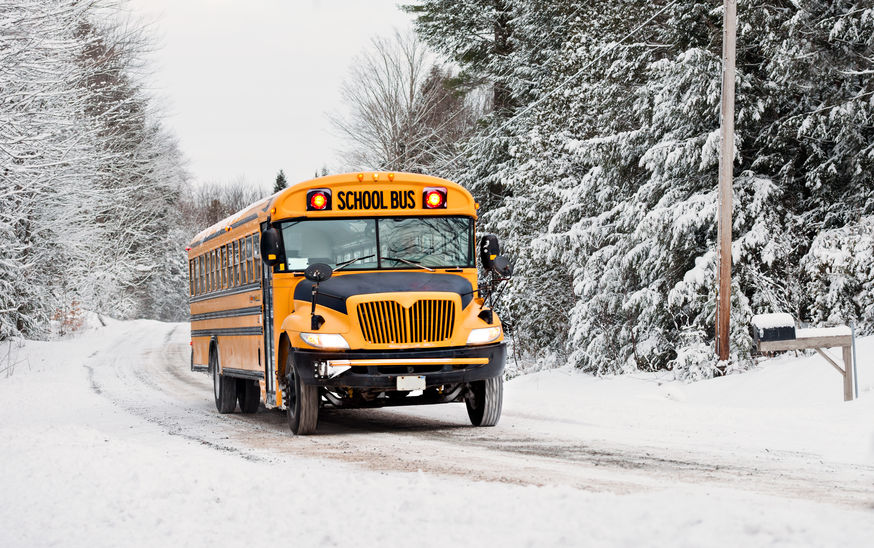
 Winter weather can create serious challenges for school transportation. Snowy roads, icy conditions, freezing temperatures, and dark mornings all increase the risks for students and drivers. That is why school buses need the right safety features to handle winter conditions with confidence. A well-equipped bus keeps routes running smoothly and helps ensure that students arrive at school safely, even on the toughest weather days.
Here are some essential winter safety features every school bus should have before temperatures drop.
Reliable Heating and Strong Defrosting Systems
A dependable heating system is a must for student comfort, but an effective defroster is just as important. Frosted windows can appear quickly on cold mornings, making visibility difficult for drivers. Buses should have fast-acting defrosting, well-placed vents, and good insulation so the cabin stays warm and the windows stay clear. Better visibility means safer driving in snowy or icy conditions.
High Quality Winter or All-Weather Tires
Tires play a huge role in bus safety during the winter months. Snow, slush, and ice create slick surfaces that require strong traction. School buses should be equipped with winter or all-weather tires with deep tread that grip the road. Checking tire pressure regularly is also important, as cold air can cause pressure to drop. Proper traction helps reduce sliding and allows buses to stop more predictably.
Anti-Lock Braking System
An anti-lock braking system helps prevent wheel lockup during abrupt stops. On icy roads, this feature allows the driver maintain control instead of skidding. Anti-lock brakes improve steering ability and reduce the risk of accidents caused by sudden braking in winter conditions. For school buses that regularly travel through rural or hilly areas, this feature is especially valuable.
Exterior Lighting for Better Visibility
With shorter days and more gloomy weather, visibility becomes a challenge throughout the winter. School buses should have bright, well-maintained headlights, working marker lights, and clean reflectors so that drivers can see clearly and other vehicles can see the bus. Heated mirrors are another important feature, as they remain frost- and snow-free, helping drivers maintain better awareness of surrounding traffic and pedestrians.
Engine Block Heaters
Cold temperatures can make starting a bus difficult, especially early in the morning. An engine block heater keeps the engine warm while the vehicle is parked, reducing strain during startup and improving reliability. A warmed engine also reaches optimal performance faster, which benefits both fuel efficiency and overall bus operation.
Preparing Your Fleet for Winter
Winter may bring challenging weather, but the right safety features make all the difference for school bus fleets. Organizations that prioritize safe driving conditions for students should consider upgrading or replacing older buses with models designed for cold-weather conditions and slippery roads.
If your district or organization is looking to enhance its fleet with dependable buses that offer modern winter safety features, now is a great time to explore the wide selection of school buses available at Northwest Bus Sales. Visit us online to browse our current inventory, request more information, and find the right buses to keep your students safe and warm all winter long!
