
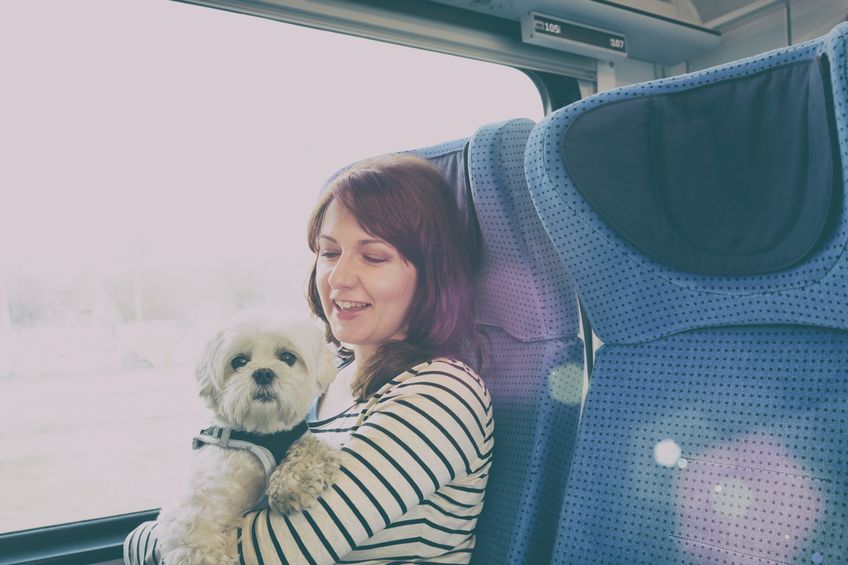
 If you’ve ever heard the story of Eclipse, Seattle’s famous bus-riding dog, you know that public transportation isn’t always just for people. Eclipse became a local celebrity after learning how to ride the city bus to her favorite dog park, often making the trip without her owner.
While Eclipse’s adventures brought smiles to passengers and drivers alike, they also highlight an interesting topic for transportation providers. What happens when passengers want to bring their pets along for the ride?
Whether you operate a public transit system, shuttle service, or private transportation business, understanding how to accommodate passengers traveling with animals can help create a safer and more comfortable experience for everyone.
Understand the Rules for Pets on Buses
Not every bus service has the same rules when it comes to allowing animals onboard.
Some public transportation systems permit pets in carriers, while others allow leashed dogs under certain conditions. Private bus companies may establish their own pet policies, subject to applicable accessibility requirements.
Before allowing pets, operators should establish clear guidelines regarding animal size, carriers, leashes, and passenger responsibilities.
Having these expectations in place can help prevent confusion and make the boarding process easier.
Know the Difference Between Pets and Service Animals
One important distinction bus operators need to understand is the difference between household pets and service animals.
Under the Americans with Disabilities Act (ADA), covered transportation providers are required to allow trained service animals to accompany passengers with disabilities.
According to the Federal Transit Administration, animals that provide emotional support or comfort without being trained to perform disability-related tasks do not qualify as service animals under DOT transit regulations.
However, transportation providers may choose to accommodate pets and emotional support animals under their own policies.
Understanding these differences helps operators follow applicable regulations while treating passengers respectfully.
Keep Passengers and Animals Comfortable
Allowing animals onboard means considering the comfort and safety of everyone riding the bus.
Drivers should encourage passengers to keep pets under control and out of aisles, doorways, and emergency exits.
Regular cleaning is also important, particularly for buses that frequently transport passengers with pets. Removing pet hair, cleaning surfaces, and maintaining proper ventilation can help keep the interior comfortable.
For operators offering longer trips, scheduling appropriate stops may also be helpful for passengers traveling with animals.
Choose a Bus That Fits Your Transportation Needs
The type of bus you operate can also influence how easily you accommodate passengers traveling with pets.
For example, shuttle buses may work well for smaller groups, while transit buses are designed to accommodate larger numbers of passengers making frequent stops.
When evaluating different vehicles, consider seating arrangements, aisle space, accessibility features, and how easily the interior can be cleaned.
Choosing a bus with a practical interior layout can make it easier to accommodate different passenger needs while keeping walkways clear and boarding areas accessible.
Make Every Passenger’s Ride a Good One
From service animals accompanying their owners to pets joining families on local outings, animals can be part of the passenger transportation experience. Establishing clear policies, understanding accessibility requirements, and choosing suitable vehicles can help bus operators prepare for these situations.
If you’re looking to expand your transportation services or upgrade your fleet, Northwest Bus Sales offers a variety of new and used buses for different passenger needs. Browse our inventory online or contact our team today to find a bus that works for your organization.