
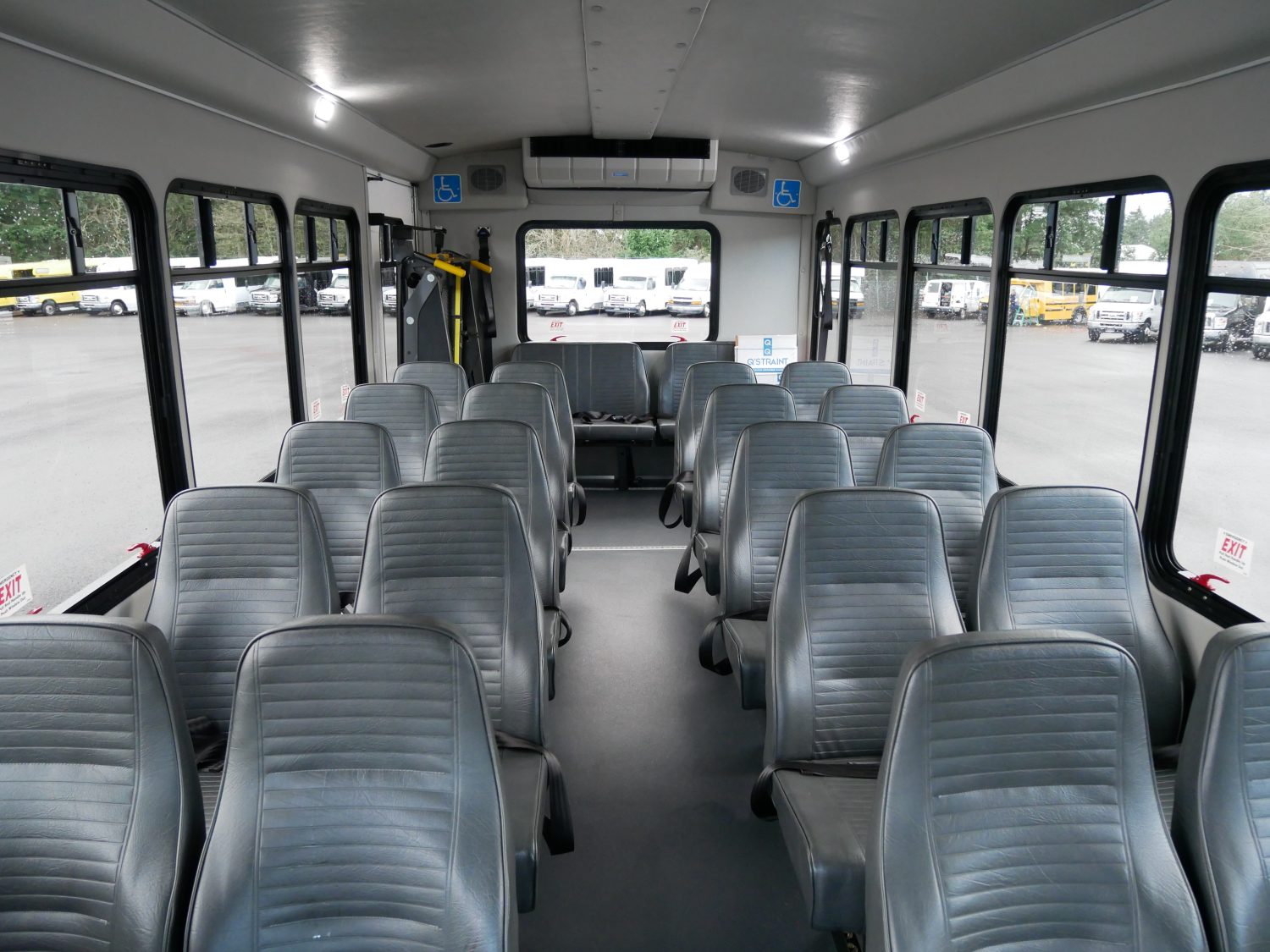
 When purchasing buses for your business or organization, one of the biggest decisions you’ll face is choosing the right size and number of vehicles. While a large bus might seem like the easiest way to transport more passengers, two smaller buses could make more sense in some situations.
Whether you’re managing a school district, running a shuttle service, or providing transportation for a church or community organization, your decision can affect everything from operating costs to scheduling flexibility.
So, is it better to buy one large bus or two smaller ones? Here are a few important factors to consider before making your purchase.
Consider Your Passenger Capacity
First, consider how many people you regularly transport. If your organization frequently moves large groups to the same destination, one larger bus may be the more practical choice. It allows everyone to travel together without coordinating multiple vehicles or drivers.
However, if passenger numbers vary throughout the week, two smaller buses may offer more flexibility. You can use one vehicle during quieter periods and both when demand increases. It’s also important to consider accessibility needs, as wheelchair accommodations and other accessibility features can affect a bus’s overall passenger capacity.
For example, a shuttle bus may work well for smaller groups, while a larger school bus could be better suited for transporting dozens of passengers at once.
Think About Routes and Scheduling
Your transportation routes can also influence which option works best.
One large bus may be ideal for organizations that operate on a consistent schedule with passengers traveling to the same location. This can simplify route planning and reduce the number of trips needed.
Two smaller buses, on the other hand, allow you to serve different destinations simultaneously. This can be especially helpful for hotels, airports, senior living communities, and organizations that need transportation throughout the day.
Smaller vehicles may also be easier to maneuver through narrow streets, crowded parking lots, and areas with limited space.
Compare the Overall Operating Costs
While purchasing one large bus may seem more expensive upfront, buying two smaller vehicles doesn’t necessarily mean you’ll save money.
Operating two buses can involve additional expenses for fuel, insurance, maintenance, registration, and storage. You’ll also need two qualified drivers whenever both vehicles are operating.
However, using a smaller bus when passenger demand is low may help reduce fuel consumption and operating expenses, depending on the vehicle and route.
Before making a decision, compare the total cost of ownership rather than focusing only on the initial purchase price.
Consider Maintenance and Reliability
Every bus requires regular maintenance to remain safe and dependable. With one large bus, unexpected repairs could temporarily leave your organization without transportation.
Having two smaller buses provides an additional vehicle that may help keep some services running if one needs repairs. However, the remaining bus may not have enough capacity to accommodate everyone.
The tradeoff is that maintaining two vehicles means keeping up with separate service schedules, inspections, and potential repair expenses.
Which Option Is Right for Your Organization?
Ultimately, the best choice depends on your passenger numbers, transportation routes, operating budget, and long-term needs. One large bus may be ideal for transporting bigger groups together, while two smaller buses can provide more flexibility for organizations with changing schedules or multiple destinations.
If you’re trying to decide which option makes the most sense, Northwest Bus Sales can help you explore your choices. We offer a wide selection of new and used buses in different sizes, styles, and seating configurations to accommodate a variety of transportation needs. Browse our inventory online or contact our team to find the right bus or combination of buses for your organization.
